TL;DR
Christians have debated alcohol for centuries. Here is what the Bible actually teaches about wine, drinking, and drunkenness.
Few topics divide Christians like alcohol. Some traditions practice complete abstinence; others enjoy wine with dinner. Some pulpits thunder against any drinking; others quietly recommend a glass of wine for hospitality. So what does the Bible actually say? The clearest answer is this: drinking alcohol in moderation is not a sin, but drunkenness is — and there are wise, even Spirit-led reasons for individual believers to abstain.
Wine in the Biblical World
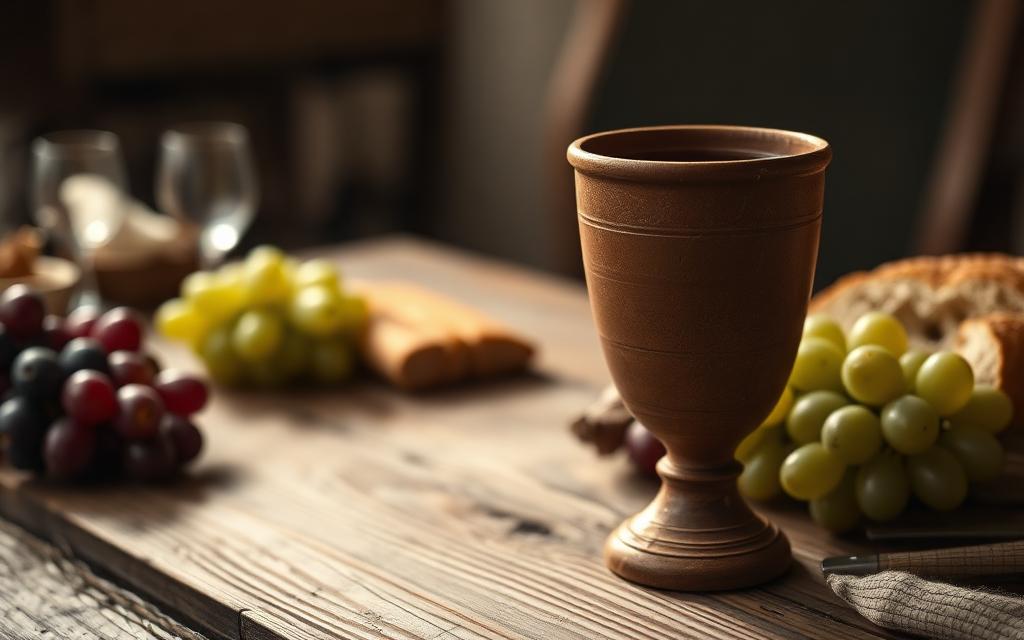
Scripture treats wine as a normal part of life. In the ancient Near East, wine was a daily beverage — partly because water was often unsafe. It was central to celebrations, hospitality, worship, and even prophecy.
Psalm 104:14-15 says God gives 'wine that gladdens human hearts.' Deuteronomy 14:26 specifically permits the use of tithe money for wine in worshipful celebration. Isaiah 25:6 pictures the messianic banquet as 'a feast of rich food... the finest of wines.' Wine was part of the Passover, including the Last Supper.
Jesus and Wine
Jesus' first miracle was turning water into wine at a wedding (John 2:1-11) — and the master of the banquet declared it the best wine he had tasted. That detail is important: Jesus did not produce grape juice for a celebration. He drank wine Himself, so much so that His critics falsely accused Him of being 'a glutton and a drunkard' (Matthew 11:19). The accusation was false, but the picture is clear — Jesus did drink in moderation, in normal social settings.
Paul also told Timothy to 'use a little wine because of your stomach and your frequent illnesses' (1 Timothy 5:23) — apparently a needed correction to Timothy's overly strict abstinence.
The Bible's Strong Stance Against Drunkenness
However, the Bible is unflinching about drunkenness. Ephesians 5:18 commands, 'Do not get drunk on wine, which leads to debauchery. Instead, be filled with the Spirit.' Galatians 5:21 lists drunkenness among the works of the flesh that exclude unrepentant practitioners from the kingdom of God. 1 Corinthians 6:10 makes the same point. Romans 13:13 calls Christians to live decently, 'not in carousing and drunkenness.'
Proverbs 23:29-35 paints a vivid, almost cinematic picture of the destruction caused by excessive drinking — woe, sorrow, strife, complaints, bruises, hallucinations, addiction. It is a warning written from real human experience.
Old Testament leaders were particularly warned: Proverbs 31:4-5 says it is not for kings to drink wine, lest they 'forget what has been decreed and deprive all the oppressed of their rights.' Priests were forbidden alcohol when serving in the tabernacle (Leviticus 10:9).
Where the Line Is
The line is not always exact, but the principle is clear: drinking that impairs judgment, leads to sin, harms your body, or damages your witness has crossed into sin. Drinking that is moderate, controlled, and does not violate your conscience or harm others is permitted in Scripture.
Most thoughtful Christians point to several markers: Are you in control? Could you stop? Are you hiding it? Are you using it to escape pain rather than to celebrate or unwind? Is anyone being harmed? Is your witness suffering?
Wisdom Reasons to Abstain
There are also wisdom reasons for individual abstinence even where Scripture allows drinking. Romans 14 teaches that what is permissible for one believer may not be wise for another.
- Personal or family history of alcoholism. Abstinence is wisdom, not legalism.
- Recovery. If you have been delivered from addiction, alcohol is no longer 'a glass of wine' — it is a return to bondage.
- Witness. In some communities or relationships, drinking would damage gospel witness.
- Stumbling blocks. Romans 14:21 — 'It is better not to eat meat or drink wine or to do anything else that will cause your brother or sister to fall.'
- Calling. Pastors, leaders, and certain ministries often choose abstinence as a witness or protection.
- Conscience. If you cannot drink without guilt, Romans 14:23 says don't.
What the Church Has Historically Taught
For most of church history, moderate drinking was the norm — wine was used in communion, in homes, and in monastic life. Some Reformers and many revivalist movements (especially in 19th-century America) embraced strict abstinence in response to the destruction caused by widespread alcoholism. Today, Christian traditions vary widely. Roman Catholic, Eastern Orthodox, Lutheran, Anglican, and Reformed traditions generally permit moderate drinking. Many evangelical and Pentecostal churches lean toward abstinence as wisdom even where they affirm Christian liberty.
Across all of these, the consistent teachings are clear: drunkenness is sin, sobriety is virtue, and personal conscience and community context matter.
Common Misunderstandings
'The Bible's wine wasn't really alcoholic.' This is historically inaccurate. Biblical wine was diluted, but it was real wine. Drunkenness was a real and warned-against danger.
'All alcohol is evil.' Scripture explicitly calls wine a gift of God in moderation (Psalm 104:15).
'I can handle it.' This is exactly what most people who later struggled with alcohol believed. Humility matters.
'Christian liberty means I should drink.' Liberty does not mean obligation. It means freedom — including the freedom to abstain in love.
Practical Self-Check
Test yourself with these questions:
- Am I in control of alcohol, or is it in control of me?
- Am I drinking to celebrate, or to escape?
- Does my drinking honor God and bless others, or does it lead to sin?
- Am I being a stumbling block to anyone weaker in faith?
- Could I stop for a season without distress?
- Is anything being hidden — bottles, amounts, frequency, money spent?
If you can answer those questions honestly and well, your conscience can be at rest. If not, Scripture invites you to step back and choose freedom.
If You Are Struggling
If you suspect alcohol has become more than a glass at dinner, please don't navigate that alone. God's grace meets you exactly there. Talk with your pastor. Reach out to a Christian counselor or a recovery group like Celebrate Recovery or Alcoholics Anonymous. Tell a safe friend the truth. The first step toward freedom is almost always honesty with another person. There is hope, and you are not alone.
Frequently Asked Questions
Is communion wine sinful? No. The use of wine in communion is biblical and was Jesus' own practice.
Can a pastor drink? That depends on the pastor's calling, conscience, and context. Many do; many choose not to.
Is buying alcohol for guests okay? Generally yes, with consideration for the guests — particularly if any are in recovery.
What about getting tipsy but not drunk? That gray zone is exactly where Scripture's warnings against drunkenness apply. The Spirit, not alcohol, is to be the source of joy (Ephesians 5:18).
Should I avoid drinking around weaker believers? Yes, when it would be a stumbling block to them (Romans 14:21).
Final Word
Alcohol is one of God's gifts that, like many gifts, can be enjoyed with thanksgiving or abused to destruction. The Bible's word to us is clear on the boundaries — celebrate without drunkenness, love without stumbling others, walk in self-control. Whether you choose to drink in moderation or to abstain entirely, do it to the Lord, with a clear conscience, and in love for the people around you.
Related reading: Is Smoking a Sin?, Is Anger a Sin?, Fruits of the Spirit Explained, Resisting the Devil — A Practical Guide.
Frequently Asked Questions
What does the Bible say about christian living?
Few topics divide Christians like alcohol. Some traditions practice complete abstinence; others enjoy wine with dinner. Some pulpits thunder against any drinking; others quietly recommend a glass of wine for hospitality. So what does the Bible actually say? The clearest answer is this: drinking alcohol in moderation is not a sin, but drunkenness is — and there are wise, even Spirit-led reasons for individual believers to abstain.
What is the main point of "Is Drinking Alcohol a Sin? A Biblical Perspective"?
Christians have debated alcohol for centuries. Here is what the Bible actually teaches about wine, drinking, and drunkenness.
How can I apply this to my life as a Christian?
Related reading: [Is Smoking a Sin?](/articles/is-smoking-a-sin), [Is Anger a Sin?](/articles/is-anger-a-sin), [Fruits of the Spirit Explained](/articles/fruits-of-the-spirit-explained), [Resisting the Devil — A Practical Guide](/articles/resisting-the-devil-practical-guide).